

Epoxy vs Polyaspartic: The Resin Revolution for Floors
When people search for epoxy resin for floors, epoxy tile grout, or floor resin epoxy, what they usually want is simple:
a surface solution that is waterproof, durable, and visually stable over time.
Epoxy resin has long been the industry standard. Today, however, polyaspartic polyurea resin is emerging as a next-generation alternative—designed to overcome epoxy’s inherent limitations while preserving its core strengths.
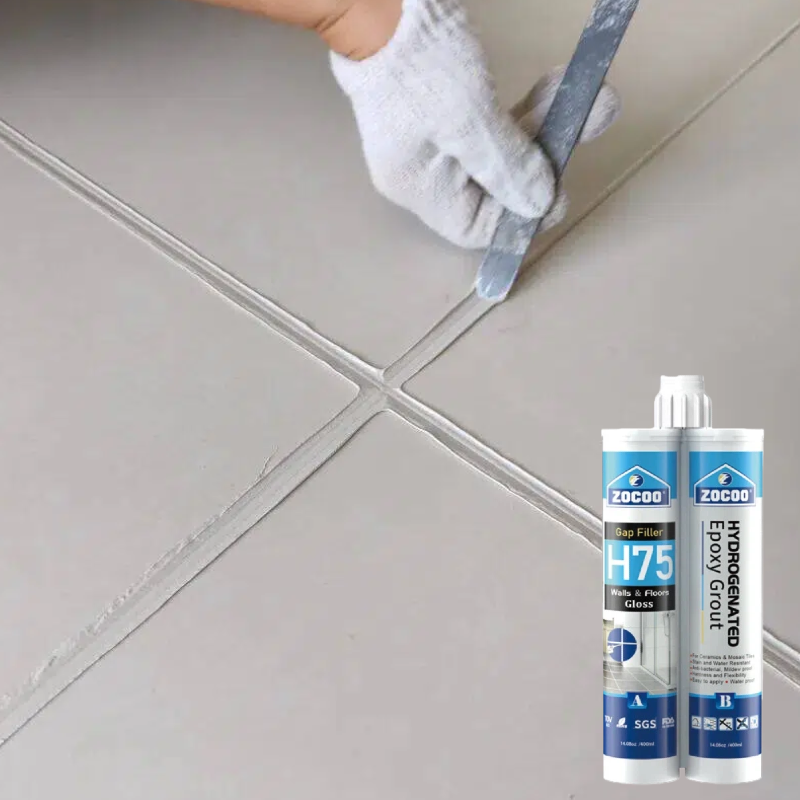
Epoxy Resin Systems: Strengths and Limitations
Traditional epoxy resin and hardener (AB systems) are widely used in:
Indoor floors and balconies (floor epoxy resin for balcony)
Epoxy tile grout and resin fillers
Resin molds epoxy and ceramic home decor
Bonding, repair, and waterproofing applications

This explains the continued global demand for terms such as resina epoxica para pisos, resine poxy sol, and rsine poxy pour sols.
Epoxy resin is valued for:
Strong adhesion
High surface hardness
Good chemical resistance
However, from a material science perspective, epoxy systems also have clear drawbacks:
Limited UV resistance and a tendency to yellow
Low flexibility, making them prone to cracking under movement
Slower curing and narrower construction windows
Reduced reliability in low-temperature or high-moisture conditions
Polyaspartic Polyurea: An Advanced Evolution Beyond Epoxy
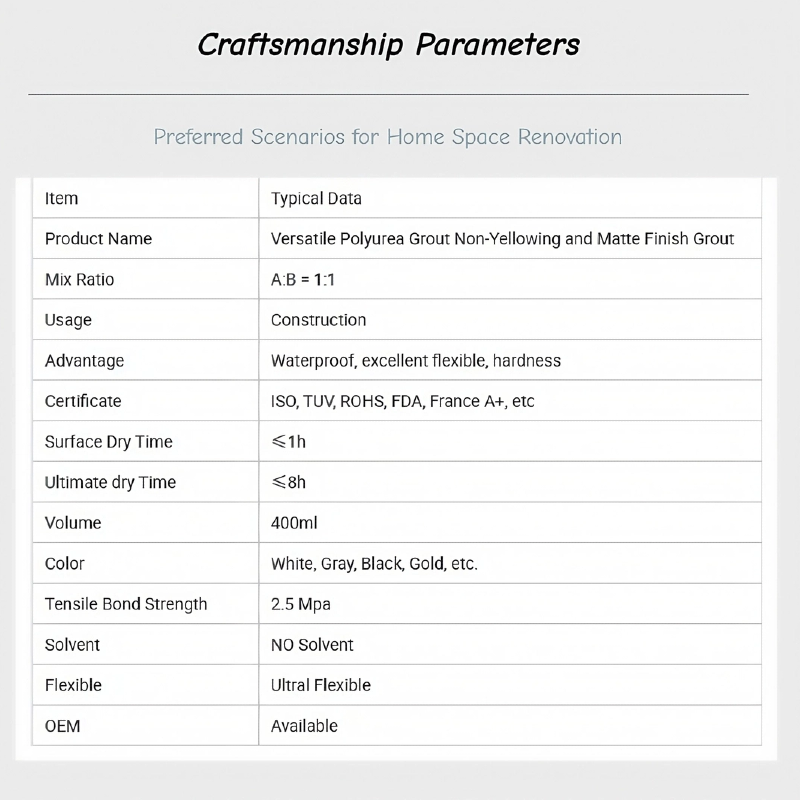
Polyaspartic polyurea resin belongs to the aliphatic polyurea family and is engineered specifically to address epoxy’s weaknesses.
Compared with conventional floor resin epoxy systems, polyaspartic polyurea delivers:
Excellent UV stability with long-term color retention
A balanced combination of hardness and flexibility
Fast yet controllable curing behavior
Superior waterproofing and stain resistance
100% solids, solvent-free formulation
These properties allow it to function not only as an upgrade to epoxy resin for floors, but also as a high-performance alternative within modern floor, tile, and protective coating systems traditionally served by other waterproofing materials.
Construction Performance in Real-World Conditions
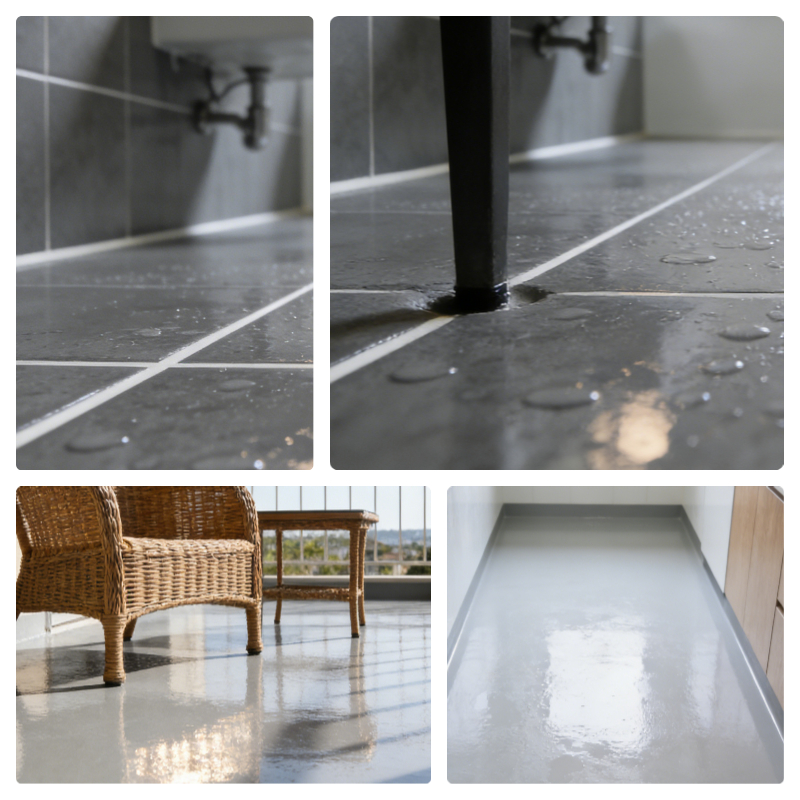
Unlike standard epoxy resin hardener systems, polyaspartic polyurea maintains stable performance under:
Thermal expansion and contraction
Continuous moisture exposure
Heavy foot traffic and daily wear
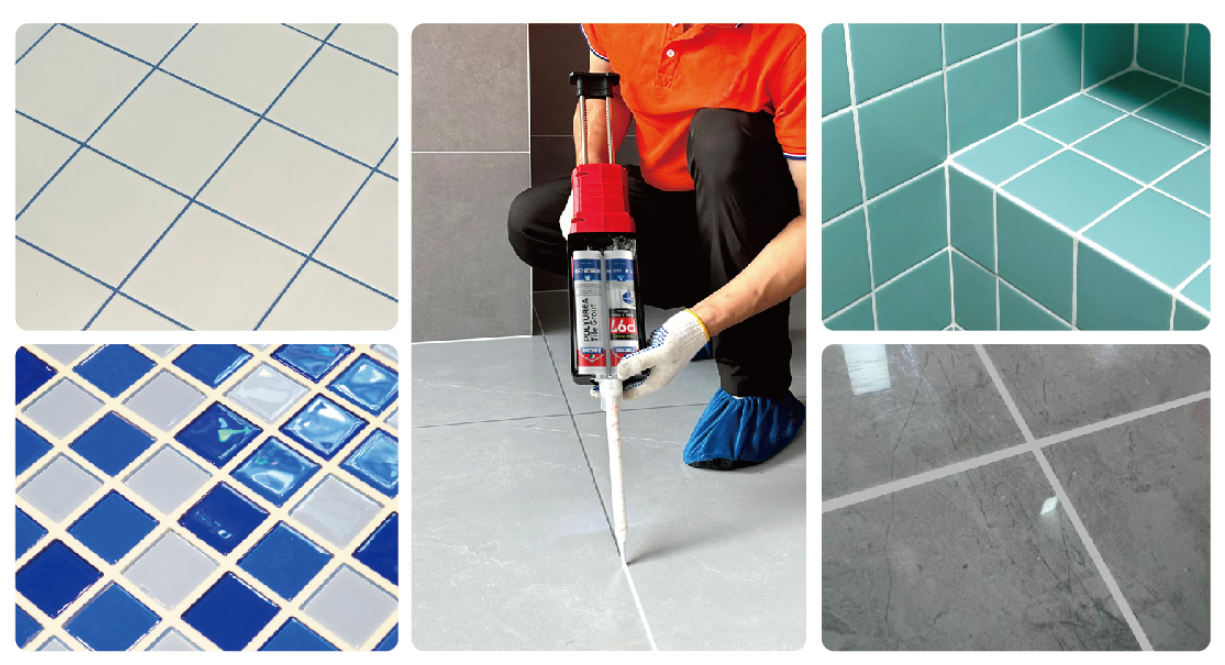
It bonds effectively to concrete, ceramic tiles, and resin-based fillers, making it suitable for residential floors, balconies, bathrooms, kitchens, and decorative ceramic home decor applications.
Why Professionals Are Rethinking Epoxy-Based Solutions
Epoxy resin remains a proven, cost-effective material.
Yet for projects that demand long-term durability, color stability, and structural tolerance, its limitations are increasingly apparent.
As a result, many professionals who initially search for epoxy resin for floors or epoxy tile grout solutions are now transitioning to polyaspartic polyurea systems—without abandoning familiar AB construction methods.
ZOCOO Polyaspartic Polyurea Systems
At ZOCOO, our AB polyaspartic polyurea formulations are developed to integrate seamlessly into epoxy-based workflows while delivering measurable performance upgrades:
Strong and reliable adhesion
Extended service life
Cleaner application compared with traditional glue or mastic thermique
Compatibility with repair, coating, and floor protection systems
Whether you are comparing epoxy resin hardener systems, waygo cement repair solutions, or other waterproofing materials, polyaspartic polyurea represents a future-oriented choice.
Conclusion
Epoxy resin laid the foundation for modern floor and tile systems.
Polyaspartic polyurea resin builds upon that foundation—offering greater durability, flexibility, and long-term stability.
For projects that require performance beyond conventional epoxy, the upgrade is clear.


