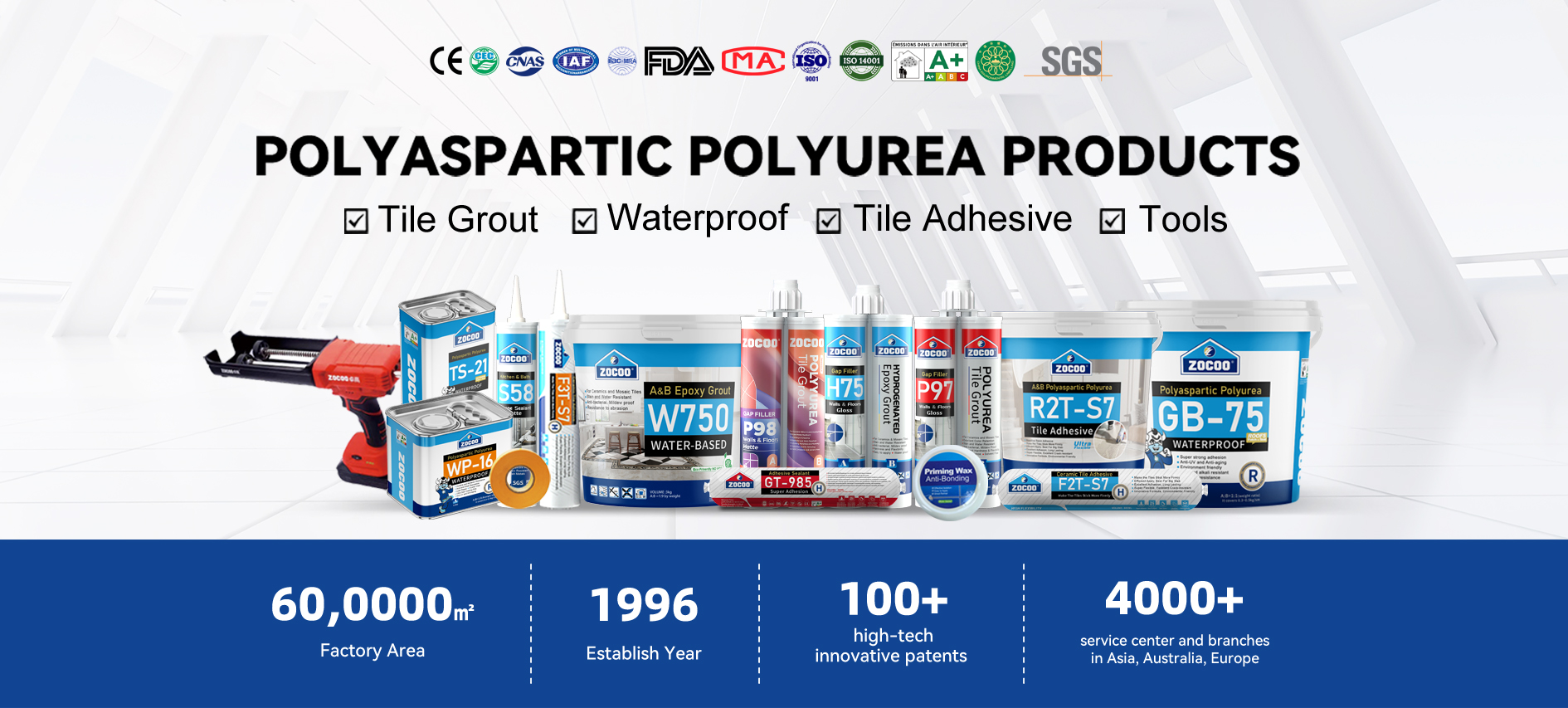
Premium Epoxy Tile Grout: The Waterproof, High-Strength Solution Modern Contractors Demand
It is a recurring nightmare for tile contractors and facility managers alike: a beautifully laid tile floor, marred within months by cracked, stained, or moldy grout lines. The culprit, more often than not, is reliance on outdated Traditional Cement Grout. While cement-based joint fillers are cheap upfront, their porous nature makes them a magnet for water absorption, bacterial growth, and structural failure under movement or heavy load. The constant maintenance cycle of scrubbing and applying a Grout Sealer is a hidden cost that eats into project margins and client satisfaction.
The industry has long since evolved beyond these limitations. For projects demanding zero callbacks and long-term structural integrity, Premium Epoxy Tile Grout has become the benchmark for high-performance tiling. Specifically, a Two Component Epoxy Grout system offers a transformative approach to joint filling, converting a traditionally weak link in the installation into a rock-solid, impervious barrier. This article provides a technical deep dive into why Epoxy Tile Grout is the definitive upgrade for wholesalers and contractors focused on quality.
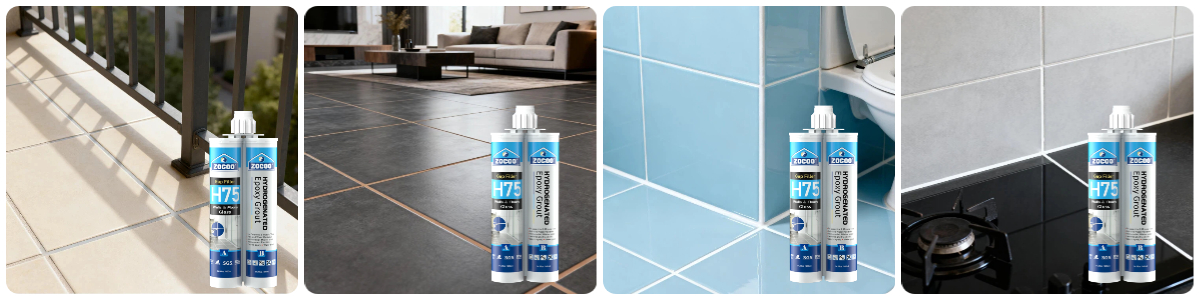
1. What is Epoxy Tile Grout? Defining the Next Generation Joint Filler
Unlike traditional cementitious powders that simply harden through hydration, Epoxy Tile Grout is a thermosetting polymer compound. It consists of three primary elements: epoxy resin, a hardener (catalyst), and specially graded silica aggregates or color pigments. When mixed as a Two Component Epoxy Grout, a chemical reaction occurs that cross-links the molecules into an incredibly dense, solid mass.
The key distinction here is porosity—or rather, the lack thereof. Traditional grout contains microscopic capillaries that wick water and staining agents deep into the Joint Filler. Epoxy, however, cures into a Non Shrink Grout matrix that is 100% solid. This means it does not rely on evaporation to cure; therefore, it does not shrink back from the tile edges or develop hairline cracks. It fills the void completely and stays exactly where it is placed, providing a true High Strength Non-Shrinkage Grouting Material bond that reinforces the entire tile assembly rather than weakening it.
2. Epoxy Grout vs. Traditional Cement Grout: A Critical Comparison
For wholesalers looking to educate their contractor clients, the technical specifications tell the real story. The table below provides a side-by-side comparison of Epoxy Tile Grout versus standard cementitious options.
| Performance Metric | Premium Epoxy Tile Grout (Two Component) | Traditional Cement Grout |
|---|---|---|
| Shrinkage & Cracking | Non-Shrinkage Grouting Material. Zero curing shrinkage. Maintains bond to tile edges permanently. | High shrinkage during drying. Prone to cracking, pulling away from tiles, and crumbling under vibration. |
| Water Absorption | Waterproof Grout. Impervious to water ingress (typically <0.5% absorption). | Porous sponge. Requires frequent application of Grout Sealer to temporarily repel water. |
| Chemical Resistance | Excellent resistance to acids, alkalis, and chlorinated water. Ideal for Epoxy Grout for Swimming Pool. | Etched and degraded by common household cleaners, acids, and pool chemicals. |
| Microbial Growth | Antibacterial Tile Grout surface. Does not support mold or mildew due to lack of moisture retention. | Organic food source for mold. Black staining in showers and kitchens is almost inevitable. |
| Compressive Strength | High Strength. Exceeds 50 MPa. Suitable for Epoxy Floor Grout in industrial settings. | Low to moderate strength. Brittle and subject to impact fracture from foot traffic or floor machines. |
| Maintenance | Never requires sealing. Cleaned with standard neutral cleaners. | Requires annual sealing. Joints must be periodically raked out and replaced. |
As the table illustrates, while cement is a Joint Filler in physical space only, epoxy acts as a structural Grouting Compound that actively protects the substrate.
3. Core Benefits of Premium Epoxy Tile Grout Systems
Superior Waterproofing and Chemical Resistance
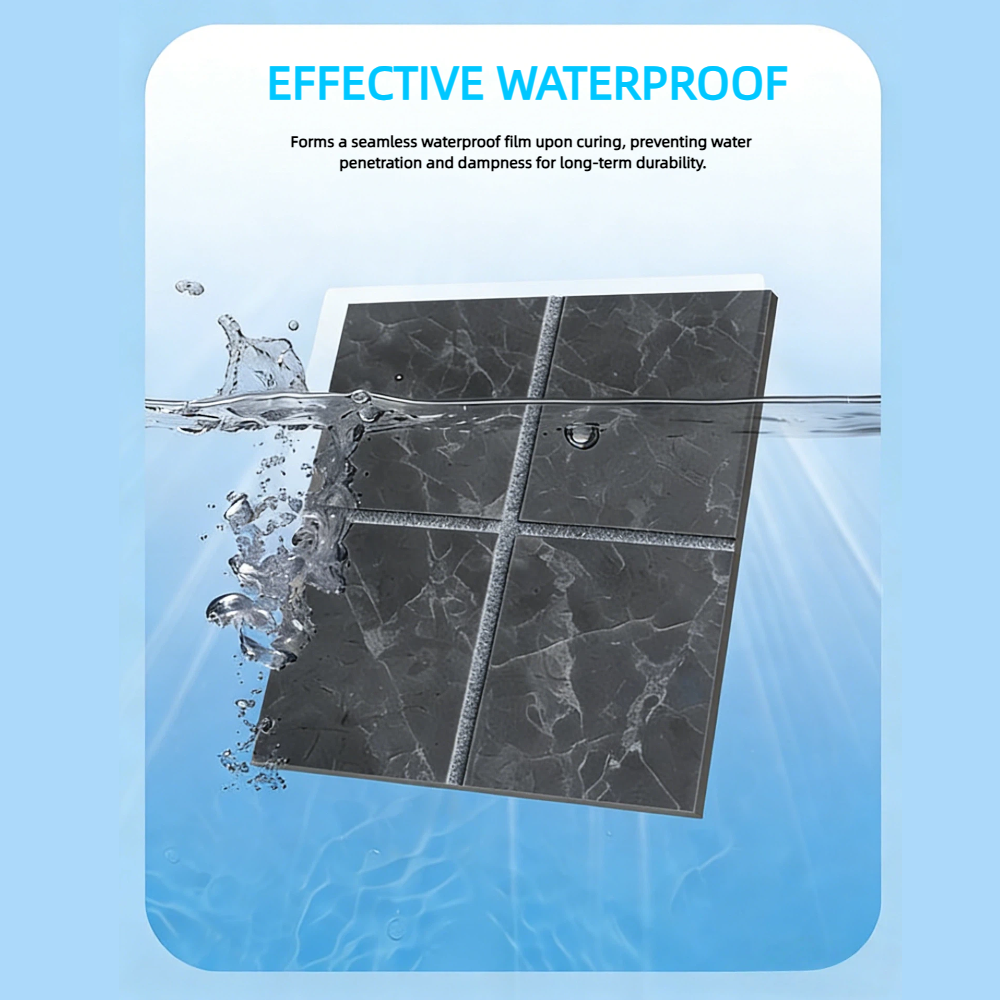
One of the most demanding environments for any tiling material is a submerged or chemically treated area. Standard grout will rapidly deteriorate when exposed to pool chlorine, salt systems, or the grease and citric acids found in commercial kitchens. This is where Epoxy Grout for Swimming Pool applications excels. The cross-linked epoxy matrix is completely unaffected by continuous water immersion. It will not soften, leach color, or allow water to penetrate behind the tile and delaminate the adhesive bed. For Epoxy Floor Grout in food processing plants or breweries, this chemical inertness ensures the floor remains compliant with hygiene standards without degrading.
High Strength and Non-Shrinkage Performance
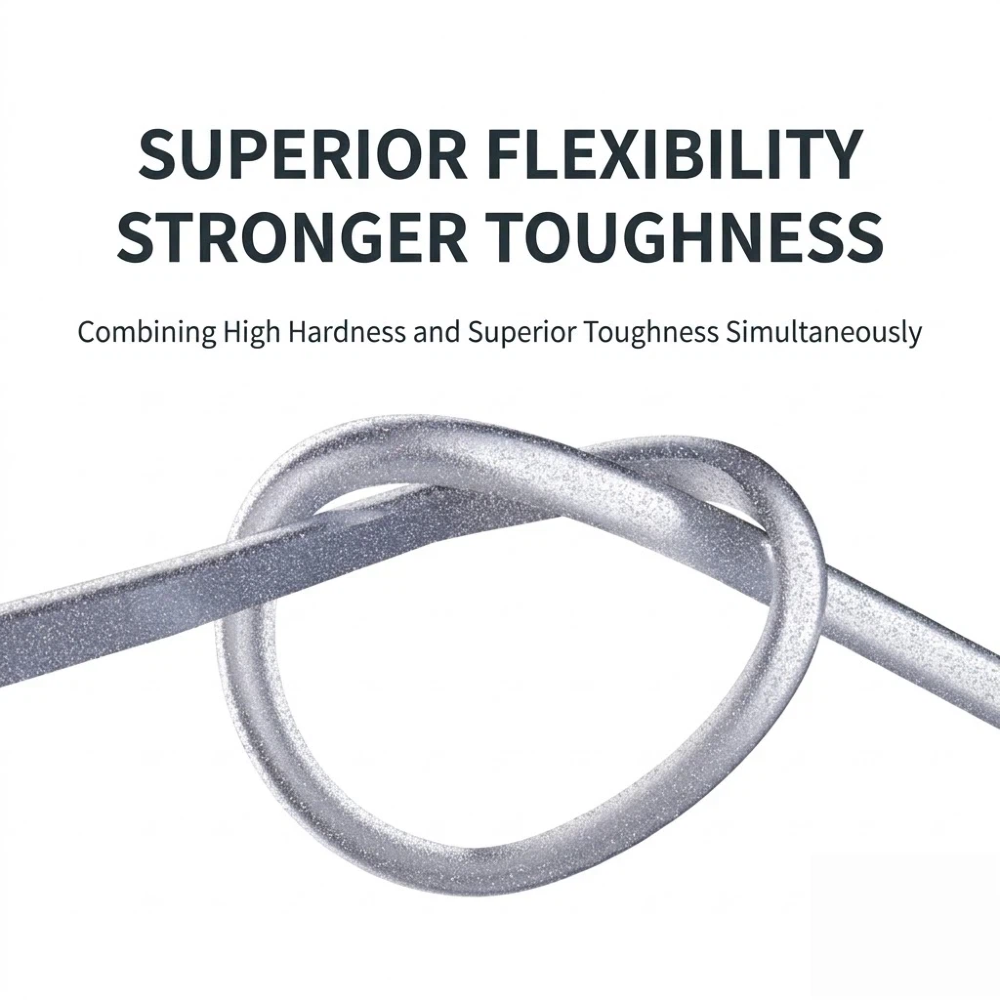
The term High Strength Non-Shrinkage Grouting Material is not just marketing jargon; it is a physical property guaranteed by the epoxy cure. Because Two Component Epoxy Grout cures through a chemical reaction rather than air drying, there is no loss of volume. In large format tile floors or heavy industrial foot traffic areas (like airports or big-box retail stores), this Non Shrink Grout characteristic prevents the edges of tiles from chipping or "spalling." The grout actually supports the tile edges, distributing the load and preventing the typical failure mode seen with cement where the grout crushes and the tile corners snap off.
Antibacterial and Long-Term Hygiene
In residential bathrooms and hotel spas, the black discoloration of grout lines is a leading cause of guest complaints and renovation triggers. This discoloration is not just dirt; it is biological growth feeding on moisture trapped in cement pores. Antibacterial Tile Grout formulations—often enhanced with silver ion technology in premium blends—combined with the inherent non-porous surface, make epoxy grout inhospitable to bacteria and fungi. It provides a seamless, easy-to-clean surface that maintains its aesthetic integrity for the lifespan of the tile.
4. Recommended Applications for Epoxy Grout
Given its high-performance profile, Premium Epoxy Tile Grout is the preferred Joint Filler for specific, high-value installations:
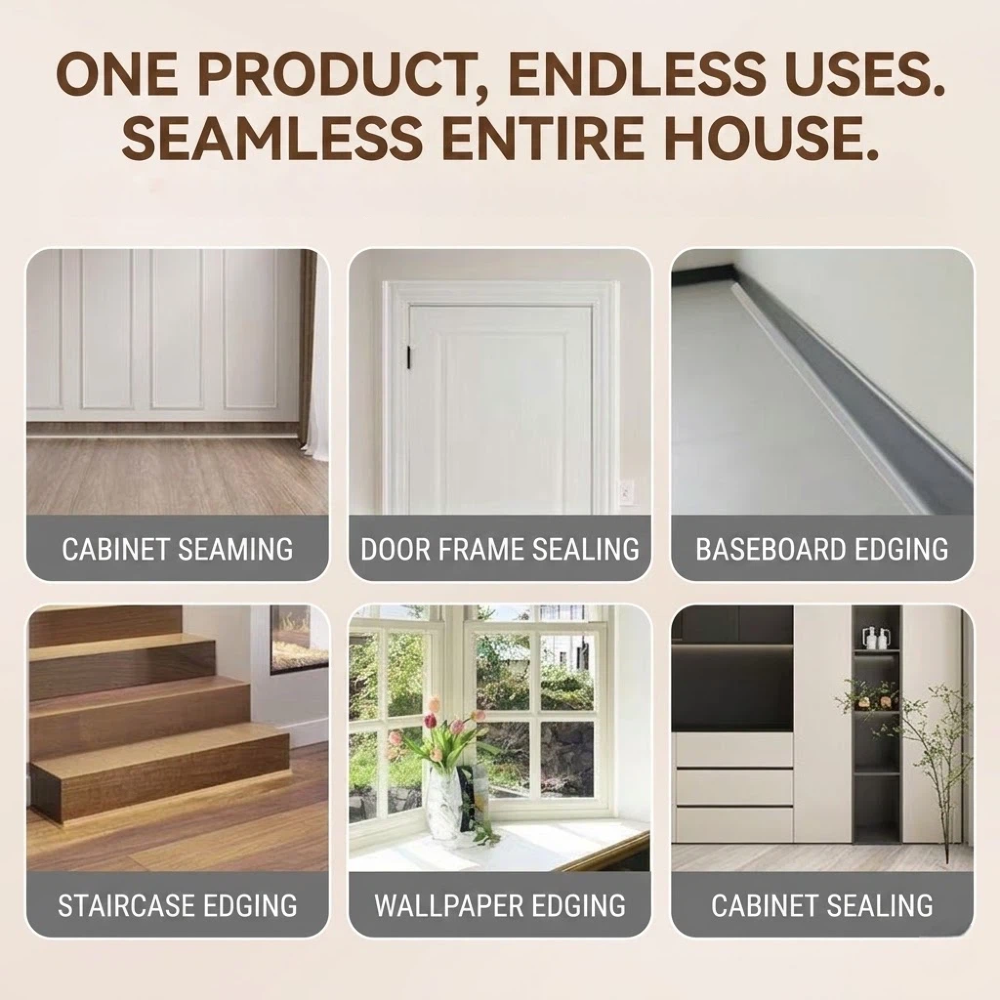
Cabinet Seaming: Creates a hard, grease-resistant Joint Filler between cabinets and walls. No shrinking, no cracking, easy to clean.
Door Frame Sealing: A rigid, Non Shrink Grout solution for the gap between door frames and drywall. Vibration-proof and paint-ready.
Baseboard Edging: Applies a Waterproof Grout barrier where baseboards meet the floor. Prevents water damage and mold in wet areas.
Staircase Edging: Fills stair tread-to-riser joints with High Strength Non-Shrinkage Grouting Material. Handles foot traffic vibration without separation.
5. Sourcing Guide for Wholesalers & Contractors: Why Choose Two Component Epoxy Grout?
For distributors and large-scale contractors, understanding the logistics and application nuances of Two Component Epoxy Grout is crucial for successful project execution.
Packaging and Storage Stability:
Unlike single-component moisture-cure sealants, Two Component Epoxy Grout is separated into Part A (Resin) and Part B (Hardener). This ensures a significantly longer shelf life when stored properly—typically 24 months in a dry, cool environment. The packaging, often in pre-measured pails or buckets, eliminates on-site weighing errors, ensuring the chemical reaction is perfect every time and delivering consistent Non-Shrink results.
Workability and Clean-Up:
Modern Premium Epoxy Tile Grout has come a long way from the sticky, difficult-to-install epoxies of the past. Advanced formulations now offer a creamy, smooth consistency that spreads easily with a rubber float. While clean-up requires strict adherence to the "water emulsification" window (washing before the resin cures), the long-term labor savings are substantial. Contractors who master epoxy installation eliminate the separate, time-consuming step of applying Grout Sealer annually for the life of the building.
Cost-Benefit Analysis for the End User:
While the upfront material cost per kilogram of Epoxy Tile Grout is higher than cement, the total cost of ownership is dramatically lower. Factor in the labor to rake out and re-grout failed cement joints five years later, the cost of downtime in a commercial kitchen, or the reputational damage of a moldy hotel shower. Epoxy is an investment in a zero-maintenance, permanent solution.
Conclusion: Elevate Your Project Standards with Premium Epoxy
For the discerning wholesaler and the professional contractor, the shift away from Traditional Cement Grout is a shift toward reliability. Epoxy Tile Grout addresses the inherent weaknesses of standard Joint Filler by providing a Waterproof, Antibacterial, and High Strength Non-Shrinkage solution that stands up to the harshest conditions—from Swimming Pools to industrial Floors.
We invite you to explore our Two Component Epoxy Grout systems. Whether you are sourcing for a large-scale hospitality project or stocking shelves for retail distribution, our technical team is ready to provide MSDS documentation, color charts, and performance testing data.
For applications requiring extreme flexibility or prolonged UV exposure in exterior environments, we also encourage you to inquire about our advanced Polyurea hybrid sealant options—a complementary technology for specialized outdoor conditions.