

The Unsung Hero of Flawless Tiling: Mastering the Dual-Component Grout Gun
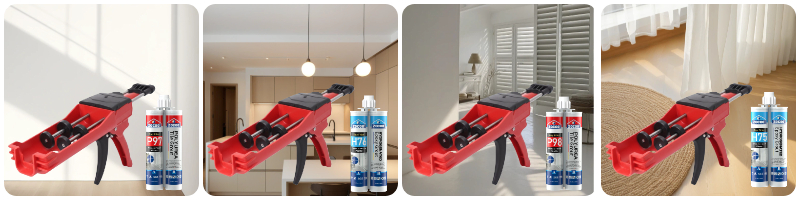
IntroductionWhen it comes to modern tile installation, the focus is often on the tiles themselves or the chemical makeup of the grout (like Epoxy or Polyurea). However, even the most expensive grout can fail if dispensed incorrectly. Enter the Dual-Component Cartridge Gun—the essential tool shown in the image above that ensures your tile seams look professional and last for decades.
What is this Tool?
Unlike a standard single-tube caulking gun used for silicone, this red and black tool is specifically engineered for two-part adhesive systems.
The Anatomy: It features a double-rod plunger system designed to push two parallel tubes (Part A: Resin and Part B: Hardener) simultaneously.
The Ratio: It is typically calibrated for a 1:1 mixing ratio, which is the industry standard for most cartridge-based tile grouts and ceramic sealants.
Why the "Twin-Rod" Design Matters
The secret to a successful grout installation lies in the chemistry. For epoxy or polyurea to cure (harden) correctly, the resin and hardener must be mixed in precise proportions.
Synchronized Pressure: The dual steel rods you see in the image move in perfect unison. If one rod were to move faster than the other, the mixture would be off-balance, leading to grout that never dries or remains sticky.
Stable Force: The sturdy build of the carriage holds the cartridge firmly in place, preventing wobbling that could disrupt the flow of material.
Key Features of this Manual Model
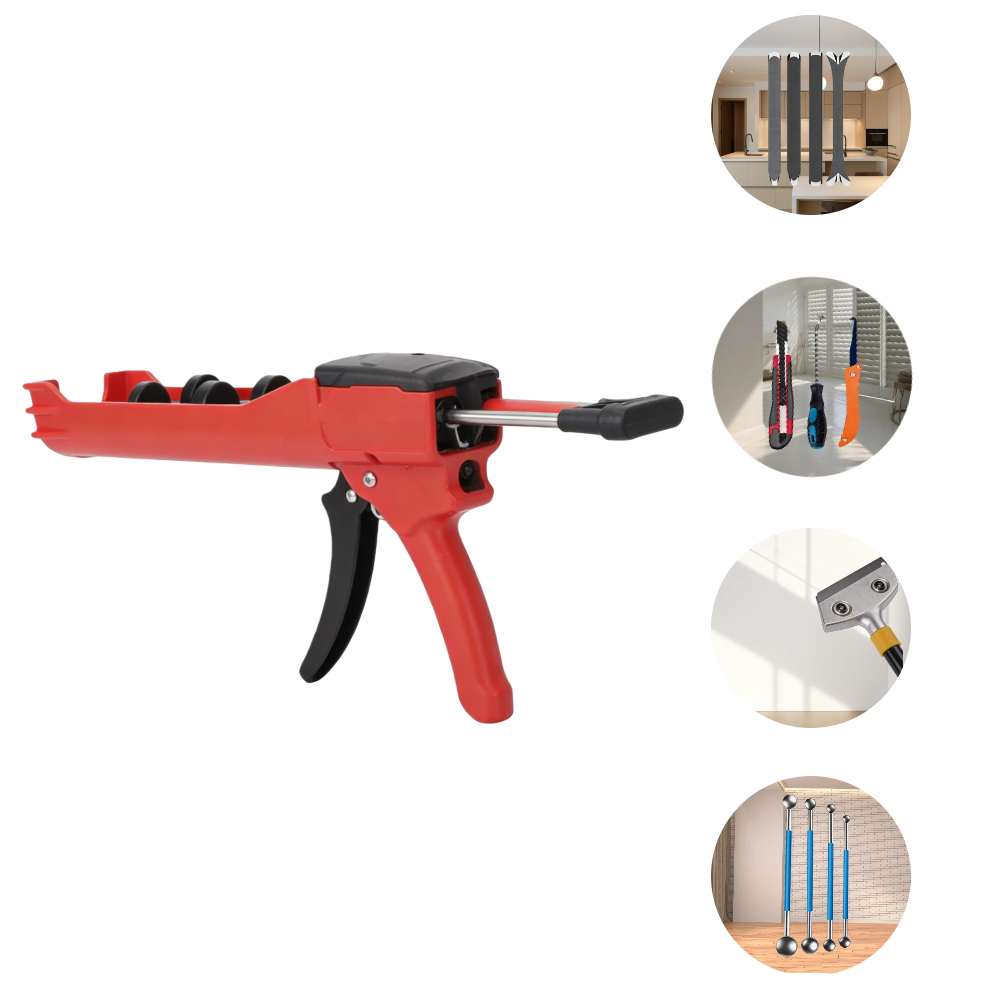
Looking at the specific tool in the photo, several features stand out for the user:
High-Leverage Handle: Epoxy and Polyurea grouts are thick and viscous, especially in colder weather. The trigger mechanism is designed with a high thrust ratio, meaning it multiplies your hand strength to reduce fatigue during large projects.
Durable Construction: The body is made from high-strength composite plastic (the red section), making it lightweight yet tough enough to survive a construction site.
Instant Pressure Release: The black tab at the back of the rod allows the user to instantly release pressure, stopping the flow of glue immediately to prevent messy drips.
Pro-Tips for Usage
To get the best results with this gun:
The "Purge" Rule: After loading a new tube and attaching the mixing nozzle, always discard the first 12–15 inches (approx. 40cm) of material. The initial output is often not perfectly mixed and will not cure properly.
Consistent Speed: Squeeze the trigger with a steady, rhythmic motion. Do not pump frantically; a smooth flow creates a better bead.
Winter Warm-up: If the gun feels too hard to squeeze, do not force it. The grout is likely too cold. Warm the grout tube in warm water before loading it into the gun to protect the tool's mechanism.
Conclusion
Whether you are a DIY enthusiast or a professional contractor, investing in a reliable dual-component gun like this is non-negotiable. It is the bridge between a raw chemical product and a beautiful, hardened, waterproof tile seam.


