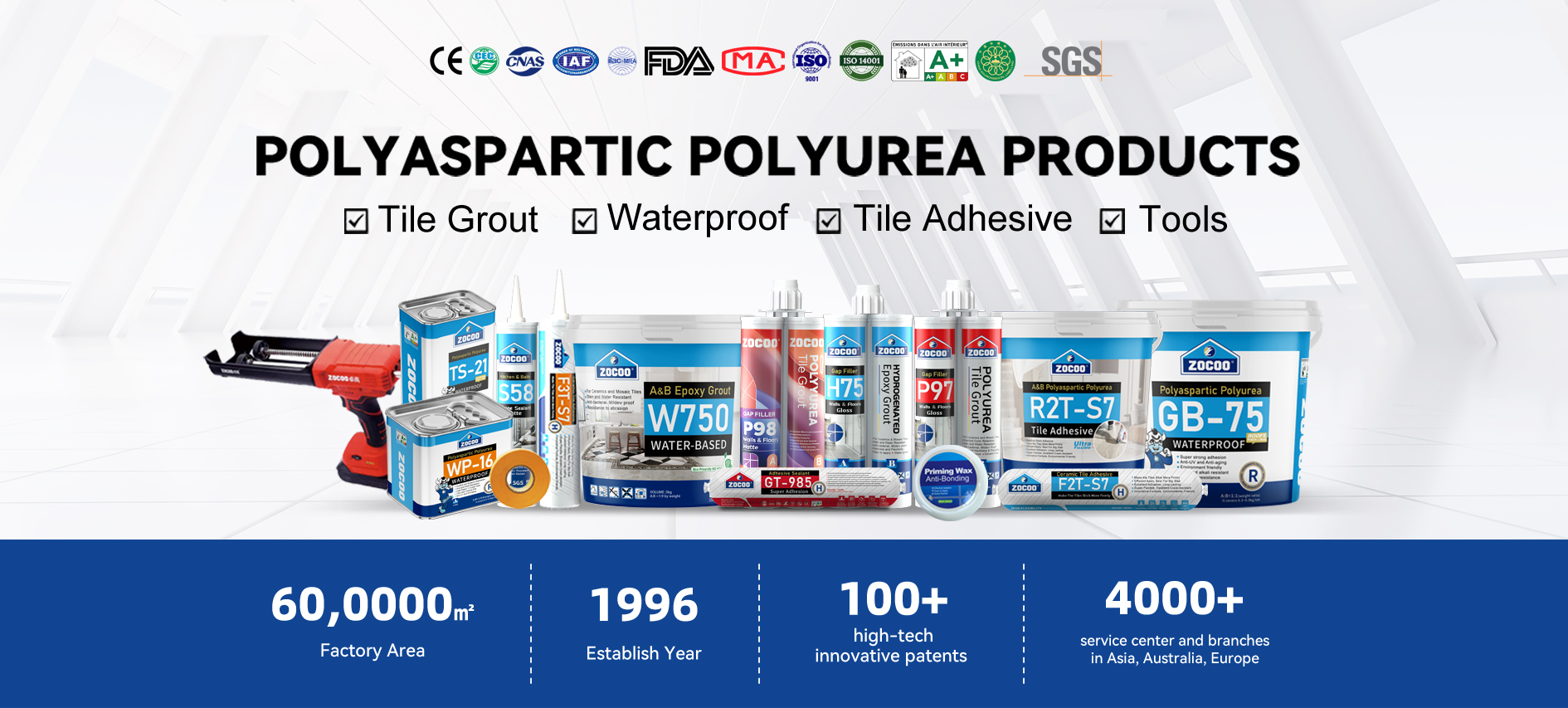
What Is Epoxy Grout? Benefits, Uses, and Comparison Guide
When it comes to tiling projects, selecting the right grout can make a significant difference in both appearance and longevity. Epoxy grout has become increasingly popular among homeowners and professionals alike, offering superior performance compared to traditional cement-based options. This guide explores what epoxy grout is, its key advantages, typical applications, and how it compares to other grout types to help you make an informed decision for your next project.
What Is Epoxy Grout?
Epoxy grout is a high-performance tile grout composed of epoxy resins and hardeners rather than the cement and sand mixture found in traditional grout. When the two components are mixed together, they undergo a chemical reaction that creates an extremely strong and durable bond. Unlike cement grout, epoxy grout doesn't require sealing and forms a nearly impenetrable barrier against moisture, stains, and chemicals.
The composition of epoxy grout typically includes epoxy resin, hardener, silica fillers, and pigments for color. This unique formulation gives it properties that far exceed those of conventional cement-based grout, making it an excellent choice for areas that experience heavy use or exposure to moisture and staining agents.

Key Advantages of Epoxy Grout
Epoxy tile grout offers several compelling benefits that explain its growing popularity in both residential and commercial applications.
Superior Stain Resistance: One of the most notable advantages is its resistance to staining. The non-porous surface prevents liquids, oils, and other substances from penetrating the grout lines, keeping them looking clean and new for years. This makes epoxy grout particularly valuable in kitchens, bathrooms, and other areas prone to spills.
Exceptional Durability: Epoxy grout creates an incredibly strong bond that resists cracking, shrinking, and crumbling. It maintains its structural integrity even under constant exposure to foot traffic, temperature fluctuations, and moisture. This durability translates to fewer repairs and longer-lasting installations.
Waterproof Properties: Unlike cement grout which requires sealing to resist water absorption, epoxy grout is naturally waterproof. This characteristic makes it ideal for wet areas such as showers, pool surrounds, and exterior applications where water exposure is constant.
Low Maintenance Requirements: The non-porous surface doesn't harbor bacteria, mold, or mildew, and cleaning is straightforward with regular household cleaners. There's no need for periodic resealing, which reduces long-term maintenance costs and effort.
Chemical Resistance: Epoxy grout stands up well to harsh cleaning agents and chemicals, making it suitable for commercial kitchens, laboratories, and industrial settings where chemical exposure is common.

Common Applications of Epoxy Grout
The versatility and performance characteristics of epoxy grout make it suitable for a wide range of applications.
Kitchen Backsplashes and Countertops: The stain-resistant properties make epoxy grout perfect for kitchen environments where grease, food, and liquids are frequently present. It maintains its appearance even with daily exposure to cooking activities.
Bathroom Installations: Showers, tub surrounds, and bathroom floors benefit from the waterproof and mold-resistant qualities of epoxy grout. It prevents water damage and keeps grout lines looking pristine despite constant moisture exposure.
Commercial Spaces: Restaurants, retail stores, and public facilities often choose epoxy grout for its ability to withstand heavy foot traffic and frequent cleaning with commercial-grade products.
Swimming Pools and Spas: The waterproof nature and resistance to pool chemicals make epoxy grout an excellent choice for pool tiles and surrounding areas.
Exterior Applications: Patios, outdoor kitchens, and exterior wall tiles benefit from epoxy grout's resistance to weather, UV exposure, and temperature variations.
Epoxy Grout vs Other Types of Grout
Understanding how epoxy grout compares to alternative options helps in selecting the best grout for tiles based on your specific project requirements and budget.
Epoxy Grout vs Cement Grout
Cement grout, also known as cementitious grout, has been the traditional choice for tile installations for decades. It's composed of cement, sand, and water, with polymer-modified versions offering enhanced performance.
Performance Comparison: Cement grout is porous and requires regular sealing to prevent staining and water absorption. It's more susceptible to cracking, especially in areas with movement or temperature fluctuations. Epoxy grout, by contrast, provides superior stain resistance, waterproofing, and durability without requiring any sealing.
Cost Considerations: Cement grout is significantly less expensive than epoxy grout, both in material cost and installation labor. For budget-conscious projects or areas with minimal exposure to moisture and stains, cement grout can be an adequate solution.
Installation Differences: Cement grout is easier to work with and more forgiving during application, making it suitable for DIY projects. Epoxy grout has a shorter working time and requires more skill to apply properly, but the long-term performance benefits often justify the additional installation complexity.
Best Use Cases: Cement grout works well for walls, low-traffic areas, and projects where budget is the primary concern. Epoxy grout excels in wet areas, high-traffic zones, and anywhere superior stain resistance is needed.
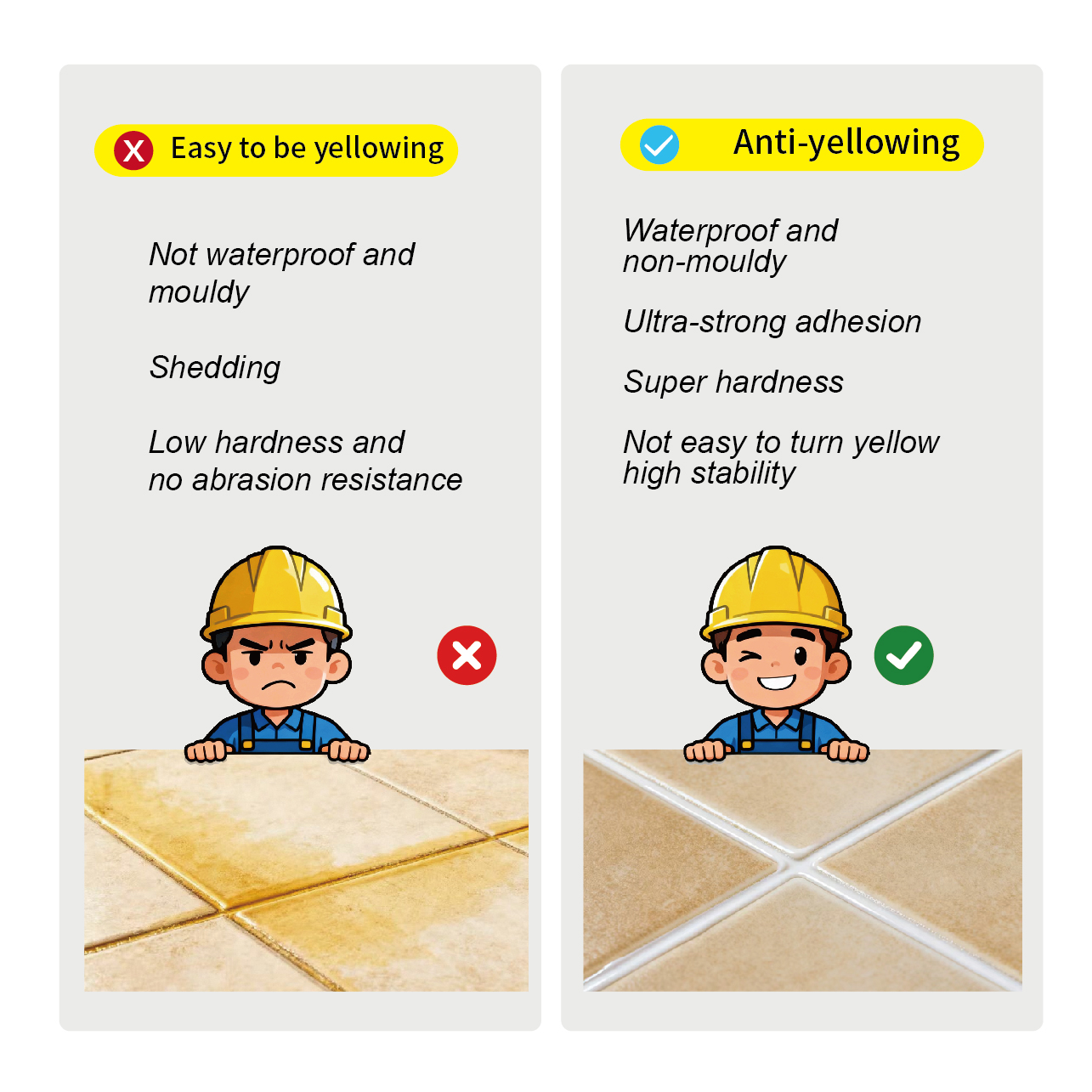
Epoxy Grout vs Polyurea Grout
Polyurea grout represents the latest advancement in grout technology, offering performance characteristics that exceed even epoxy grout in several key areas.
Performance Characteristics: While epoxy grout provides excellent stain resistance and durability, polyurea grout takes these properties further with enhanced flexibility and faster curing times. Polyurea grout can accommodate more movement in the substrate without cracking, making it particularly suitable for areas with thermal expansion or structural flexing.
Longevity and Maintenance: Both epoxy and polyurea grout offer low-maintenance solutions that don't require sealing. However, polyurea grout demonstrates superior color stability and may better retain its appearance over extended periods, especially in high-UV environments.
Application Scenarios: For most residential and commercial applications, epoxy grout provides more than adequate performance at a reasonable cost. Polyurea grout is worth considering for demanding environments such as commercial kitchens with extreme temperature variations, industrial facilities, or high-end installations where maximum performance is required regardless of cost.
Cost-Benefit Analysis: Epoxy grout offers exceptional value, balancing strong performance with reasonable pricing. Polyurea grout commands a premium price that reflects its superior properties, making it a worthwhile investment for projects that demand the absolute best performance or where replacement costs would be particularly high.

How to Choose the Right Grout for Your Project
Selecting the appropriate grout for tiles involves evaluating several factors specific to your installation.
Assess the Environment: Consider the exposure to water, chemicals, and staining agents. Bathrooms, kitchens, and outdoor areas generally benefit from epoxy grout's waterproof and stain-resistant properties. Areas with extreme conditions might warrant considering polyurea grout.
Evaluate Traffic Levels: High-traffic commercial spaces or busy household areas see better long-term results with epoxy grout compared to cement alternatives. For low-traffic walls or decorative installations, standard cement grout may suffice.
Budget Constraints: While epoxy grout costs more initially than cement grout, it often proves more economical over time due to reduced maintenance and longer lifespan. Calculate both initial and long-term costs when making your decision.
Installation Timeline: If you're working with professional installers experienced in epoxy application, the installation process should proceed smoothly. For DIY projects, be honest about your skill level—cement grout is more forgiving for beginners.
Aesthetic Considerations: Epoxy grout offers consistent color that won't fade or discolor over time, maintaining the original look of your installation. This is particularly valuable for light-colored grout where staining would be most visible.
Final Thoughts
Epoxy grout represents a significant advancement over traditional cement-based grout, offering superior stain resistance, waterproofing, and durability that make it an excellent choice for a wide range of tiling projects. Its low-maintenance properties and long-term performance make it particularly valuable in kitchens, bathrooms, and other areas where moisture and staining are concerns.
For most residential and commercial applications, epoxy grout provides an ideal balance of performance and value. It delivers professional-grade results that maintain their appearance and integrity for years with minimal upkeep. While alternatives like cement grout may offer lower initial costs and polyurea grout may provide enhanced performance for specialized applications, epoxy grout occupies a sweet spot that satisfies the requirements of the majority of tiling projects.
When planning your next tile installation, consider the long-term benefits that epoxy grout can provide. The investment in quality materials and proper installation pays dividends through reduced maintenance, lasting beauty, and exceptional durability that protects your investment for years to come.